Introduction
As automation continues to shape the future, neo robots are emerging as a significant player in various industries. These advanced robotic systems leverage artificial intelligence (AI) and machine learning to enhance efficiency and precision in tasks ranging from manufacturing to healthcare. Understanding the impact of neo robots is crucial for professionals and businesses aiming to stay competitive in today’s fast-paced environment.
Advancements in Neo Robot Technology
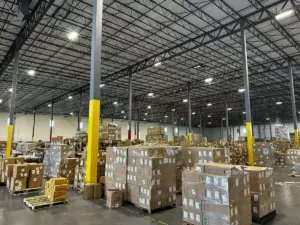
In recent months, innovations in neo robot technology have accelerated at an impressive rate. Companies such as Boston Dynamics and Unitree Robotics have showcased robots capable of performing complex tasks with unprecedented agility and adaptability. For instance, Boston Dynamics introduced AI-driven robots designed for logistics and warehouse operations, significantly reducing the time required for sorting and shipping goods.
Furthermore, developments in sensor technology have enhanced neo robots’ ability to navigate complex environments safely. These robots can now harness real-time data to make informed decisions while interacting with their surroundings, greatly expanding their utility across different sectors.
Applications Across Industries
The applications of neo robots are wide-ranging. In the manufacturing sector, robotics have streamlined production lines, allowing for continuous operation with reduced error rates. Factories are increasingly deploying collaborative robots, or cobots, which can work alongside human workers, enhancing productivity without compromising safety.
In the healthcare field, neo robots are transforming patient care. Robots are being utilized for telemedicine, enabling healthcare providers to monitor patients remotely. Surgical robots have also gained prominence, enhancing precision in complex surgeries and reducing recovery times.
Challenges and Future Outlook
Despite the promising advancements, challenges remain. The integration of neo robots into existing systems can be costly, and there are ongoing concerns about job displacement in certain sectors. Moreover, ensuring the ethical use of AI in robotics continues to be a pressing debate.
Looking ahead, industry experts predict that improvements in AI technology will continue to enhance the capabilities of neo robots. As they become more sophisticated, the potential for their widespread adoption across various fields becomes increasingly evident.
Conclusion
The rise of neo robot technology signifies a pivotal moment in industrial advancement. By embracing these innovations, businesses can enhance productivity and efficiency while navigating the challenges associated with automation. As neo robots evolve, their significance in shaping the future of work and industry cannot be understated, making it essential for stakeholders to stay informed and prepared for the changes ahead.