Introduction
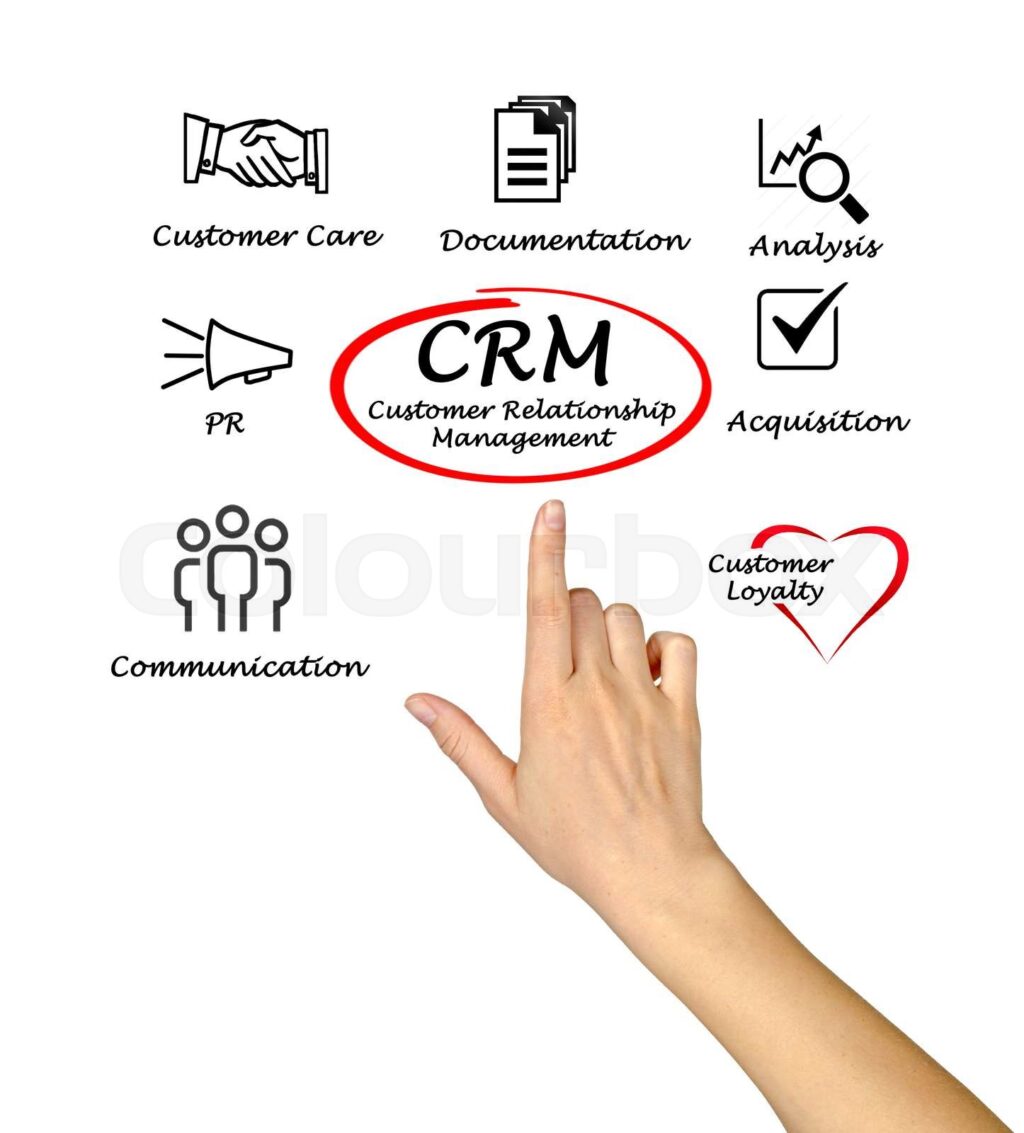
In the rapidly evolving landscape of business, effective customer relationship management (CRM) has emerged as a crucial component for success. CRM systems not only help businesses streamline their processes, but they also enhance customer satisfaction, retention, and loyalty. As companies increasingly prioritize personalized customer experiences, understanding and implementing robust CRM strategies has never been more relevant.
Current Trends in CRM
Recent data from Gartner indicates that global CRM software revenue is expected to exceed $128 billion in 2023, reflecting a growing recognition of its value. The adoption of cloud-based CRM solutions has surged, enabling businesses to monitor customer interactions and data in real-time. Moreover, with the integration of artificial intelligence (AI) and machine learning into CRM systems, companies can now analyze consumer behaviors more accurately than ever before, tailoring their marketing strategies to meet specific needs.
Key Benefits of CRM Implementation
Effective CRM strategies provide numerous benefits to businesses. Firstly, they facilitate improved customer communication, allowing for more timely and relevant interactions. For instance, businesses can automate follow-up emails and send personalized offers based on a customer’s purchase history. Secondly, CRM systems help in tracking sales data and overall performance, helping businesses make informed decisions. Finally, by adopting CRM, companies significantly enhance customer satisfaction, which in turn boosts loyalty and increases average transaction values.
Challenges Faced by Businesses
Despite the advantages, challenges still exist in implementing CRM systems effectively. Many businesses struggle with data management, including data entry errors and data silos, which can hamper the insights available from a CRM system. Additionally, integrating a CRM system with existing processes can be complex and costly. To overcome these hurdles, organizations must invest time in training staff and may consider leveraging third-party services for smooth implementation.
Conclusion
As the business environment continues to evolve, the importance of customer relationship management is undeniable. CRM not only serves as a tool for managing customer data but also acts as a strategic asset that can drive business growth and enhance customer loyalty. Organizations that successfully adopt and optimize CRM systems will likely be better positioned to meet customer expectations and maintain a competitive edge in their respective markets. Looking forward, companies that leverage advanced technologies such as AI-driven CRM will be at the forefront of personalizing customer experiences and driving long-term success.