Understanding Incident Response Plans
In an era where cyber threats are escalating, the importance of having robust incident response plans (IRPs) cannot be overstated. These plans are crucial for organizations to effectively manage data breaches and security incidents, minimizing potential reputational and financial damage. In Canada, organizations are increasingly pressured to comply with stringent data protection regulations, making the need for IRPs more urgent than ever.
Recent Incidents Highlight the Need for Preparedness
Recent data breaches affecting major Canadian companies have highlighted vulnerabilities within their cybersecurity frameworks. For instance, the 2023 cyberattack on a well-known telecommunications firm resulted in the exposure of millions of customers’ personal information, leading to significant legal and financial repercussions. Instances such as these underscore the potential for damage when organizations are not adequately prepared with a defined incident response strategy.
Key Components of an Effective Incident Response Plan
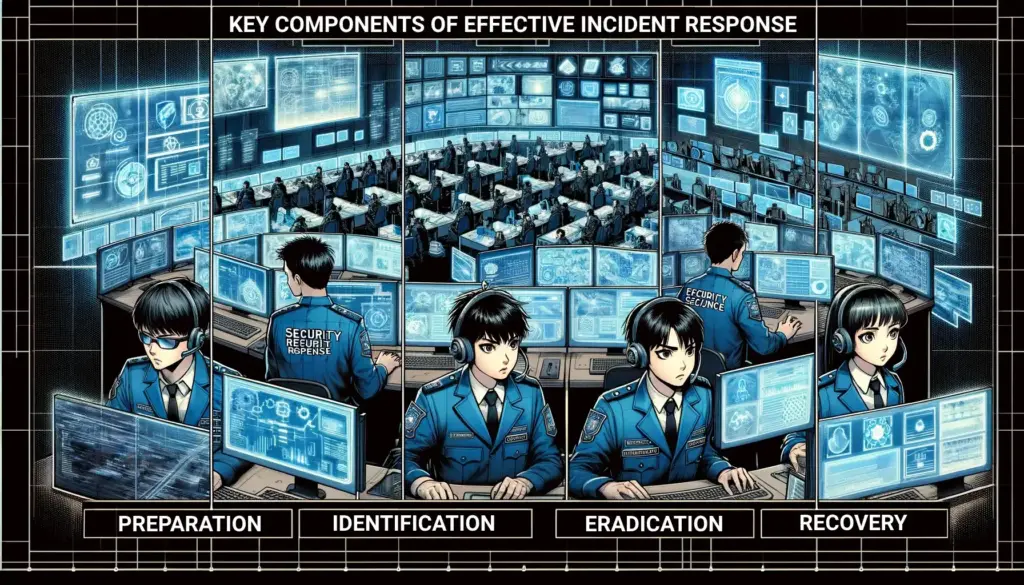
Building an effective incident response plan involves a few key components:
- Preparation: Organizations must educate their employees about potential threats and the importance of reporting suspicious activities.
- Identification: This involves recognizing and classifying incidents based on their severity to ensure appropriate resources are allocated for resolution.
- Containment: Immediate actions must be taken to contain the threat and prevent further damage.
- Eradication: Once contained, it’s crucial to remove the threat from the organization’s environment completely.
- Recovery: After the incident is managed, processes must be put in place to restore and validate system functionality.
- Lessons Learned: Post-incident reviews should identify what worked and what didn’t, allowing for continuous improvement of the IRP.
The Future of Incident Response Plans
As cyber threats continue to evolve, so must incident response plans. Organizations are increasingly leveraging technology such as artificial intelligence and machine learning to enhance their IRPs. These technologies can analyze vast amounts of data and help predict potential threats before they manifest into incidents.
Conclusion: Taking Action Towards Cyber Resilience
In conclusion, the importance of having a well-defined incident response plan cannot be overlooked. Organizations in Canada and globally must prioritize the establishment and regular updating of their IRPs to respond effectively to the ever-changing cybersecurity landscape. The proactive approach of preparing for incidents not only mitigates risks but also fosters trust among stakeholders and customers, ensuring business continuity in an increasingly digital world.