Introduction
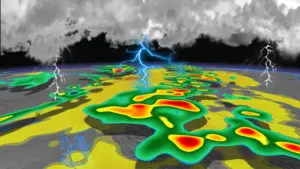
As storm systems sweep across Canada, multiple regions are currently under a yellow warning for heavy rainfall. Such warnings are crucial as they alert citizens to potentially hazardous weather, allowing them to prepare and take necessary precautions. With rainfall amounts expected to exceed normal levels, it is vital for residents to stay informed about weather developments in their area.
Details of the Yellow Warning
The yellow warning, issued by Environment and Climate Change Canada, indicates that significant rainfall is anticipated in various regions, including southwestern Ontario, parts of Quebec, and the Maritimes. Forecasts suggest that some areas could receive between 50 to 100 millimeters of rain over the weekend. This amount of rainfall can lead to localized flooding, especially in urban areas where drainage systems might be overwhelmed.
In Ontario, the warning reflects concerns about runoff and flooding in low-lying areas while in Quebec, residents have been advised to monitor rising water levels in rivers. The Maritime provinces are expected to face the brunt of the rainfall by Saturday, with strong winds accompanying the precipitation, resulting in difficult travel conditions.
Public Response and Preparation
Local authorities and emergency management organizations have advised residents to prepare their homes and vehicles for the anticipated weather. Residents are urged to clear gutters and downspouts, ensure emergency kits are stocked, and stay indoors during heavy downpours. Furthermore, those living near rivers and lakes are advised to keep an eye on water levels and heed any evacuation orders if issued.
Conclusion and Significance
As weather patterns become increasingly unpredictable, warnings like these serve as vital reminders of nature’s power and the importance of preparedness. While the rain is needed in many parts of the country for alleviating drought conditions, excessive rainfall can result in dangerous situations. Residents should remain vigilant, pay attention to updates from local weather services, and ensure their safety is prioritized during these weather events. As climate change continues to affect weather patterns, such warnings may become more common, highlighting the need for communities to adapt and prepare for severe weather.