Introduction
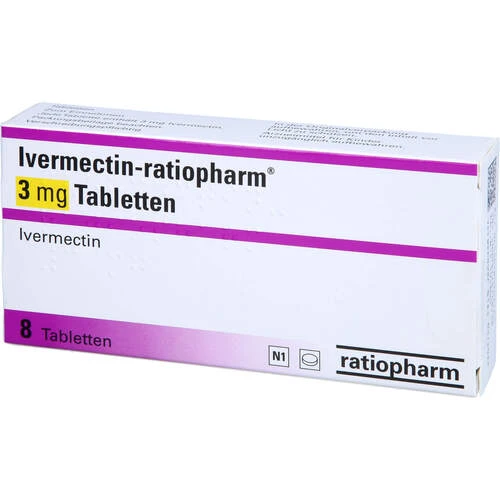
Ivermectin, an antiparasitic drug, has gained significant attention in recent years, particularly during the COVID-19 pandemic. Originally developed to treat parasitic infections in humans and animals, its potential for treating viral infections has sparked both interest and controversy within the medical community. Understanding the latest developments and research surrounding ivermectin is crucial for healthcare professionals, patients, and policymakers.
The Role of Ivermectin in Medicine
First approved for human use in 1987, ivermectin has been widely used to treat diseases such as river blindness (onchocerciasis) and lymphatic filariasis. It works by interfering with the nerve and muscle function of parasites, leading to their elimination. Over the years, ivermectin has proven to be a low-cost and effective treatment, contributing to significant public health advancements.
Controversies and Research During the COVID-19 Pandemic
When the COVID-19 pandemic emerged, ivermectin came under scrutiny as some claimed it could serve as a potential treatment against the virus. Numerous observational studies and clinical trials were conducted to assess its efficacy; however, findings have been mixed and often criticized for methodological issues. The World Health Organization (WHO) and the U.S. Food and Drug Administration (FDA) have cautioned against using ivermectin outside of controlled clinical trials, emphasizing that more evidence is needed to support its use for COVID-19.
Current Developments
Recently, further research has focused on understanding ivermectin’s mechanisms and exploring its antiviral properties. Studies examining its potential role in combination with other treatments are ongoing. Scientific forums and governmental health entities continue to evaluate ivermectin based on emerging data. As of now, multiple clinical trials are currently registered worldwide to examine the drug’s safety and effectiveness in treating COVID-19 and other viral conditions.
Conclusion
Ivermectin remains a valuable medication in the fight against parasitic diseases, yet its role in treating viral infections, particularly COVID-19, remains uncertain. Ongoing research is vital to clarify its potential benefits and limitations. For healthcare professionals, staying informed about the latest findings is essential in providing accurate guidance to patients. The future of ivermectin, as both a therapeutic agent and a subject of significant study, underscores the importance of evidence-based medicine in evolving public health landscapes.