Introduction to SAQ
The Société des alcools du Québec (SAQ) plays a crucial role in Quebec’s economy and culture as the province’s sole legal retailer of alcoholic beverages. Established in 1921, SAQ has become a significant player in the retail industry, ensuring that the distribution and sale of alcohol are regulated effectively. Its importance extends beyond just sales; it is a reflection of responsible consumption, public health, and the preservation of local products.
Current Events Affecting SAQ
In recent months, the SAQ has faced several challenges and developments. Notably, the COVID-19 pandemic prompted a shift in consumer behavior, with many patrons turning to online shopping and home delivery services for convenience. In response to this trend, SAQ expanded its online offerings, resulting in a notable increase in sales, especially during lockdown periods. According to a report released in early 2023, SAQ’s e-commerce sales surged by 75%, indicating a permanent shift in consumer preference.
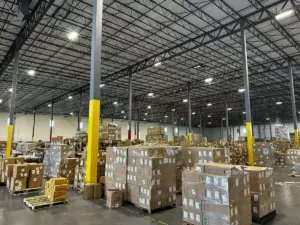
Additionally, the SAQ is dealing with supply chain issues that are affecting the global alcohol market. Shortages in raw materials and packaging have led to delays and increased prices for certain products. In response, SAQ has implemented measures to diversify its product range and support local producers to ensure a steady supply of popular varieties while promoting Quebec wines and spirits.
Future Trends for SAQ
The future of SAQ seems promising, as it adapts to ongoing changes in consumer preferences and regulatory landscapes. Expanding its selection of local products aligns with the growing interest in sustainable and locally sourced goods. The organization has committed to increasing its offerings from Quebec producers by 25% over the next five years.
Moreover, sustainability initiatives are on the rise. SAQ is working towards reducing its carbon footprint by improving energy efficiency in its stores and exploring eco-friendly packaging solutions. As consumers become more environmentally conscious, SAQ’s efforts in sustainability will likely enhance its brand reputation and customer loyalty.
Conclusion
The Société des alcools du Québec is not just a retail entity; it is an integral part of Quebec’s identity. As it navigates the challenges posed by modern consumer habits and supply chain disruptions, SAQ is positioned to not only maintain its essential role in the province but also to innovate and evolve in a rapidly changing market. The organization’s commitment to local producers and sustainability is a significant step towards ensuring a successful future in the alcohol retail industry for Quebec.