Introduction
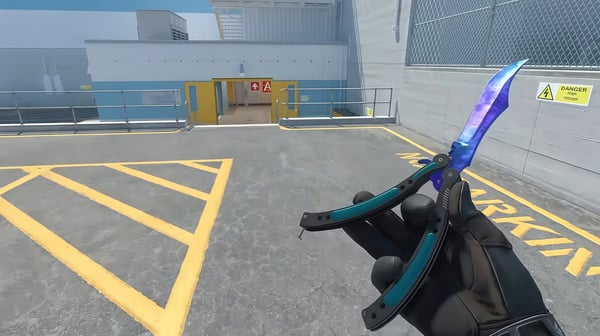
The gaming community has been shaken by the recent crash in the CS2 (Counter-Strike 2) skins market, an ecosystem that allows players to buy, sell, and trade virtual items in exchange for real money. This market has seen outrageous highs over the years, reaching valuations in the billions, but the recent downturn raises questions about the sustainability of this virtual economy.
Recent Developments in the CS2 Skins Market
In the past few weeks, reports of a significant decline in prices for CS2 skins have flooded forums and social media channels. Various factors contributed to this trend, notably the release of updates by the game’s developer, Valve, which included new features and changes that drastically altered the supply and demand dynamics for skins. While previously high-demand skins have plummeted to almost 50% of their transient peak value, it has prompted a significant reshuffling of virtual assets among players.
Factors Contributing to the Market Crash
One major factor in the crash is the over-saturation of available skins due to ongoing updates and the introduction of new weapons and items. The influx of new skins has diluted the perceived value of older, established skins. Furthermore, the skins market is heavily influenced by speculators—investors who buy skins in hopes of selling them at higher prices later. Recent market trends have dispelled such hope, causing many to liquidate their holdings, thus leading to further price drops.
Additionally, external economic factors play a role. With the gaming industry facing a broader economic slowdown, discretionary spending on virtual items may decline, leading to less overall market activity. This multi-faceted approach provides a clearer understanding of why the skin market is currently experiencing turmoil.
Implications for Gamers
For avid gamers and skin collectors, the implications are profound. Many who viewed skins as an investment may now be facing significant losses, leading to questions about the viability of investing in virtual assets. This crash may deter new players from entering the skins market, fearing a volatile environment where values may continue to drop.
Conclusion
The CS2 skins market crash serves as a stark reminder of the unpredictable nature of digital economies. As players navigate this complex landscape, it’s crucial to approach virtual assets with caution. Future updates from Valve, changes in market sentiment, and broader economic recovery trends will likely play a pivotal role in the market’s eventual recovery. As such, gamers and investors alike must stay informed and adaptable in this changing environment.