Introduction
The issue of an MLB salary cap has long been a topic of heated debate among fans, players, and team owners. In a sport defined by immense financial resources, the potential introduction of a salary cap could have significant implications for competitive balance, player salaries, and the overall direction of Major League Baseball. As discussions surrounding this topic intensify, understanding the potential effects of a salary cap becomes increasingly important.
The Current Landscape of MLB Salaries
In 2023, Major League Baseball continues to see record-setting contracts and salaries that defy expectations. Players like Aaron Judge and Max Scherzer have signed multi-million dollar deals that underscore the financial power of franchises in larger markets. The average MLB salary has surged, with several stars receiving contracts exceeding $300 million. However, this disparity raises questions about fairness and competition.
The Case for a Salary Cap
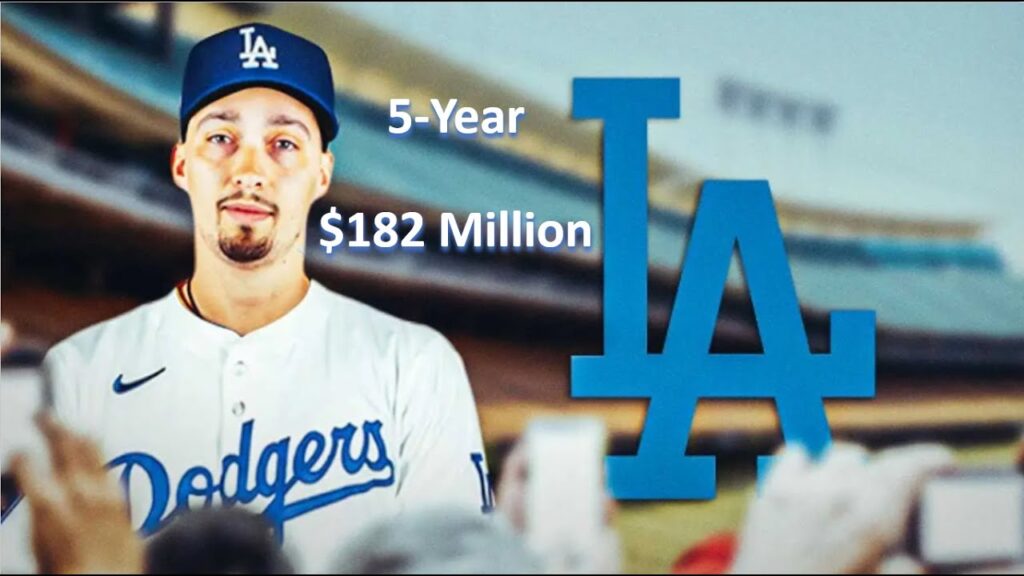
Proponents of a salary cap argue that it would create a more level playing field in MLB. By limiting the amount teams can spend on player salaries, smaller market teams would have a better chance at competing with financially robust franchises like the New York Yankees and Los Angeles Dodgers. This could help prevent situations where a select few teams consistently dominate the postseason, potentially leading to decreased fan engagement among supporters of less competitive teams.
Recent Discussions and Proposals
Recent negotiations between players and the league have sparked renewed discussions about a salary cap. While the players’ union has historically opposed such limitations on earnings, the shifting landscape of sports economics and fan dynamics may prompt reconsideration. Reports indicate that some teams are advocating for a cap on spending to promote balance while ensuring financial health across the league.
The Conclusion: What Lies Ahead
As Major League Baseball navigates its future, the concept of a salary cap remains a point of contention. The potential introduction of a cap could redefine team strategies, player contracts, and competitive balance. Fans may find themselves divided on the efficacy of this model; however, it seems clear that achieving a consensus on financial equity will be critical for the league moving forward. As discussions evolve, stakeholders will need to weigh the potential benefits against the implications for player freedom and team autonomy.