Introduction
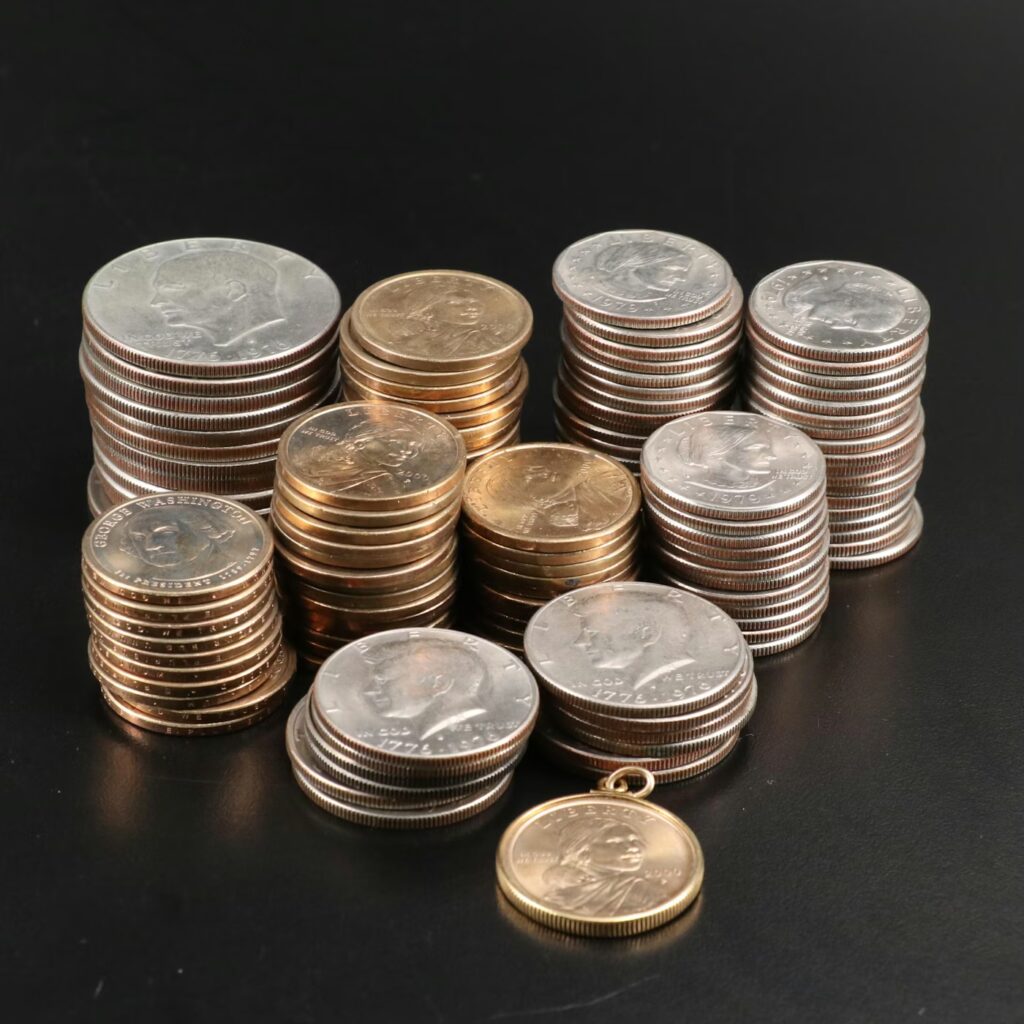
The US dollar (USD) is not only the official currency of the United States, but it also plays a pivotal role as the world’s primary reserve currency. Its significance transcends borders, influencing global trade, investment decisions, and economic policies. Recent events in the economy and changes in monetary policy have triggered a lot of discussions about the value and stability of the US dollar, making it a subject of paramount importance for investors, economists, and policymakers alike.
Recent Developments
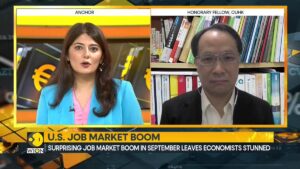
As of October 2023, the US dollar has been exhibiting volatility in response to various economic indicators. The Federal Reserve has signaled potential interest rate hikes in light of persistent inflation, which can enhance the value of the dollar against other currencies. Conversely, stronger-than-expected employment data and a stabilization of consumer prices have led many investors to reassess their positions on the dollar’s strength. This seesawing dynamic emphasizes not only the dollar’s attractiveness for international trade but also its risk factors.
Recent analysis reveals that the USD has strengthened against major currencies, including the Euro and the British Pound, in the past months. This is partly due to the relative stability of the US economy compared to other regions facing economic challenges. Countries in the European Union, for example, are grappling with rising energy costs and supply chain disruptions, which have weakened the Euro.
Impact on Global Markets
The fluctuations in the US dollar have significant implications for global markets. A stronger dollar often means that commodities priced in USD become more expensive for foreign buyers, which can slow down global demand and decrease commodity prices. On the flip side, a weak dollar can stimulate exports by making US products cheaper for overseas customers.
Moreover, emerging markets, which often borrow in dollars, may face repayment challenges due to a stronger dollar, leading to increased financial strain in their economies. This presents rippling effects across developing nations and heightened risks for global financial stability.
Conclusion
The trajectory of the US dollar will continue to be shaped by various factors, including economic data, geopolitical tensions, and monetary policy changes. As analysts keep a close watch on the dollar’s movement, its importance as a stabilizing factor in global finance remains unchallenged. For investors and policymakers, understanding the implications of the dollar’s fluctuations is essential for navigating the complexities of the current economic landscape.