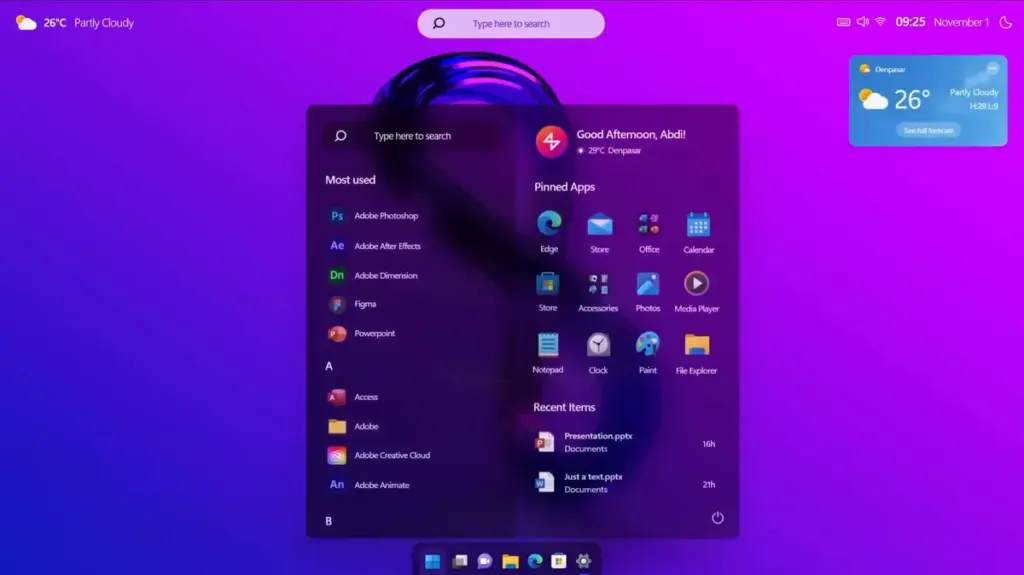
Prior Expectations for Windows 12
Before the recent surge of rumors regarding Windows 12, the tech community had largely settled into a routine with Windows 10 and Windows 11. Windows 10, which is set to exit support in 2025, has been a stable platform for many users. Meanwhile, Windows 11 introduced significant changes, including the requirement for TPM 2.0 and newer CPUs, which raised concerns about accessibility for some users. As Microsoft has a history of releasing operating systems that are not fully ready, many users have remained cautious about upgrading to the latest version.
The Shift in Narrative
Recently, rumors about a potential release of Windows 12 in 2026 have circulated, but these claims have been debunked. Brad Chacos noted that the assertions made in the Windows 12 article were not based on original reporting, rendering them largely unreliable. As a result, the expectation of a new operating system has shifted from anticipation to skepticism. The current landscape indicates that Windows 10 users have actually increased by 12% as of February 2026, according to the Steam Hardware Survey, while Windows 11 users have decreased by 10%. This trend suggests that many users are hesitant to adopt the latest version.
Immediate Effects on Users
The uncertainty surrounding Windows 12 has direct implications for users. With Windows 10 set to lose support in 2025, those who are reluctant to upgrade to Windows 11 may find themselves in a precarious position. The availability of paid Extended Security Updates for holdouts may provide a temporary solution, but it does not address the long-term needs of users. As Microsoft continues to embed AI features, such as Copilot across Windows 11 and Microsoft 365, users seeking an AI-less experience may find themselves out of luck, as the shift towards AI integration appears to be irreversible.
The Rise of Alternatives
As Windows users grapple with these changes, Linux has been quietly gaining traction. StatCounter data shows that desktop Linux reached approximately 4% globally in 2024, its highest level on record. This increase can be attributed to Linux’s ability to thrive on older and modest hardware, making it an appealing option for budget-conscious users. The contrast between the high system resource demands of Windows 11 and the efficiency of Linux could lead to further migration away from Microsoft’s operating systems.
Expert Perspectives
Experts have weighed in on the implications of these developments. The sentiment among some analysts is that Windows 12 could be a tipping point that finally pushes users to consider Linux more seriously. The ongoing challenges with Windows operating systems, combined with the growing reliability and accessibility of Linux, may lead to a significant shift in user preferences. As one expert noted, “If you want an AI-less Windows, you’ll be out of luck, and once Microsoft makes that change, there will be no going back.” This perspective highlights the urgency for users to evaluate their options.
Looking Ahead
As the situation continues to evolve, details regarding Windows 12 remain unconfirmed. The exact release date and specific features of the operating system are still unclear, leaving users in a state of uncertainty. The ongoing debate about the future of Windows and the potential for alternative operating systems like Linux underscores the need for Microsoft to address user concerns and expectations effectively.
The landscape surrounding Windows 12 is marked by speculation and skepticism. As users weigh their options in light of the impending support end for Windows 10 and the challenges presented by Windows 11, the rise of Linux as a viable alternative may reshape the operating system market. With many users hesitant to embrace the latest offerings from Microsoft, the company faces a critical juncture in its operating system strategy.