Introduction
The skyline of our cities is continually evolving, largely due to the construction of skyscrapers that redefine our concept of height and architectural prowess. The world’s tallest buildings serve as not just structures, but as landmarks of innovation, engineering and urban development. As global populations increase and urbanization becomes more prevalent, the race to create taller and more advanced buildings grows ever more competitive. This article explores the current tallest buildings, their significance, and future trends in skyscraper design.
The Current Tallest Buildings
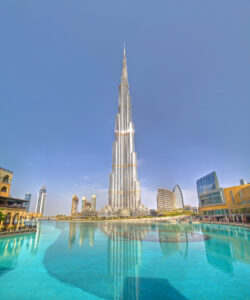
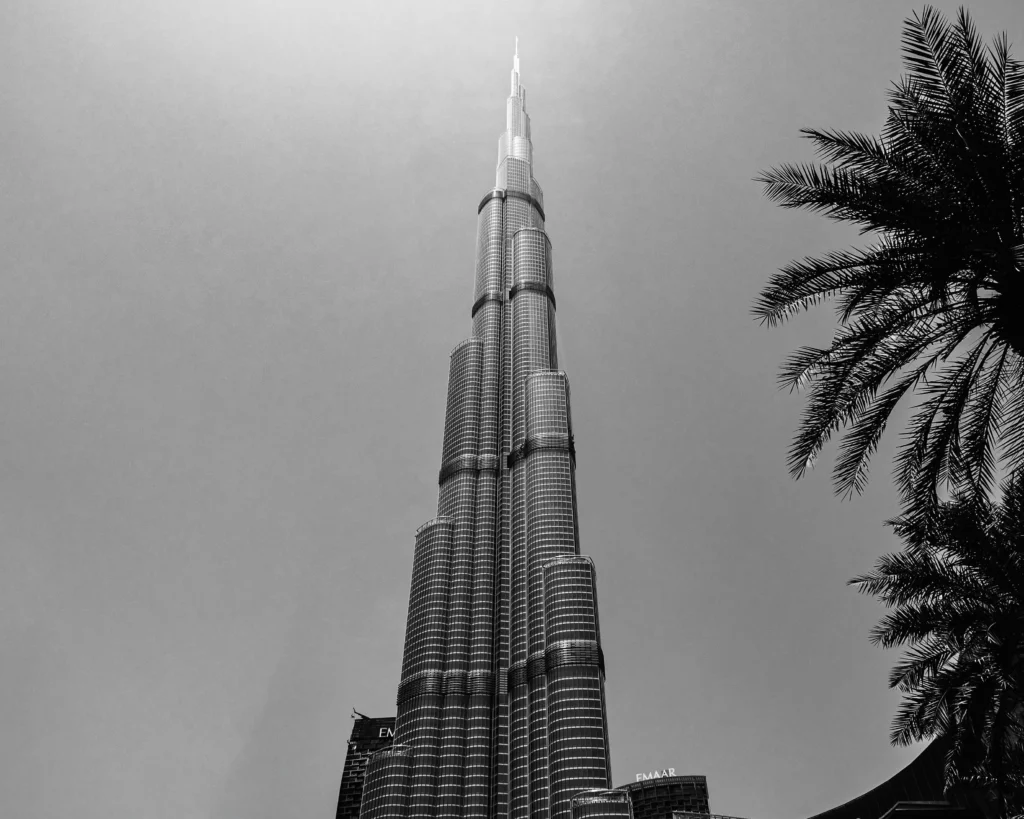
As of 2023, the Burj Khalifa in Dubai remains the tallest building in the world, standing at a staggering 828 meters. Completed in 2010, it set a benchmark for height and luxury. Following closely is the Shanghai Tower in China, which measures 632 meters and features innovative sustainable design elements. The Abraj Al Bait Clock Tower in Mecca, Saudi Arabia, ranks third with a height of 601 meters.
These architectural masterpieces exemplify cutting-edge advancements in construction technology and design. For instance, the Shanghai Tower incorporates a unique twisting shape that reduces wind loads and contributes to energy efficiency.
Significance of Tall Buildings
The construction of tall buildings has profound implications for urban landscapes. They can indicate economic growth—cities that host skyscrapers often experience increased tourism and business investments. Furthermore, skyscrapers play an essential role in maximizing land use in densely populated areas. A single tower can house thousands of residents or businesses, thus releasing pressure from urban sprawl.
Future Trends in Skyscraper Design
Looking ahead, we can expect to see even more innovative approaches to skyscraper design. Trends such as vertical gardens, green roofs, and sustainability-focused materials are likely to dominate future projects. Additionally, the incorporation of smart technology will increasingly define how these buildings function in terms of energy movement, security, and overall management. Projects like the Jeddah Tower which aims to reach 1,000 meters, are pushing the boundaries of what is technically possible in skyscraper construction.
Conclusion
The world’s tallest buildings are a testament to human creativity and engineering mastery. As the race for height continues, these structures not only shape our skylines but also inspire future generations regarding what is possible in architecture and urban planning. With rising global populations and urban centers expanding, it is likely that the trend towards constructing higher buildings will continue, transforming the way we live and work in cities around the globe.