The Importance of Tall Buildings
The skyline of a city is often defined by its tallest buildings, which symbolize architectural ingenuity and engineering prowess. These skyscrapers not only serve as commercial hubs but also focal points of urban identity and cultural milestones. Understanding the significance of the world’s tallest buildings is crucial as they reflect advancements in technology, materials, and design.
Current Landscape of Tall Structures
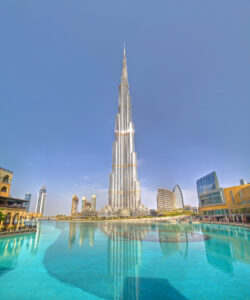
The ongoing race to construct the world’s tallest building has seen some impressive feats of engineering. Currently, the title is held by the Burj Khalifa in Dubai, standing at a staggering height of 828 meters (2,717 feet). Completed in 2010, this marvel has set a benchmark for skyscrapers globally.
However, new entrants are emerging in the skyscraper competition. For instance, the Jeddah Tower in Saudi Arabia, which is projected to reach at least 1,000 meters (3,281 feet), is under construction and aims to surpass Burj Khalifa upon completion. With completion dates pushed back multiple times due to various challenges including funding and design revisions, it remains a highly anticipated endeavor in the architectural community.
Technological Innovations
Advancements in building materials and construction technologies are fundamental to the creation of these tall buildings. Innovations such as high-strength concrete, advanced wind-resistant designs, and energy-efficient systems are pushing the limits of height. Inhabitable skyscrapers now also integrate renewable energy sources and smart technologies, exemplifying the shift toward sustainable urban development.
The Social and Economic Impact
Aside from their aesthetic appeal, the world’s tallest buildings contribute significantly to local economies by attracting tourists, generating jobs, and serving as prestigious addresses for businesses. They often become symbols of cultural pride and identity for their cities. Reports indicate that cities boasting these iconic structures experience increased investment and tourism, showcasing how skyscrapers can serve as economic catalysts.
Conclusion
The future of the world’s tallest buildings seems bright, with ambitious projects on the horizon promising to redefine skylines across the globe. As urban populations swell and land becomes scarcer, the quest for vertical living continues. These structures are more than just heights; they are a testament to human ingenuity and our relentless pursuit of progress. For urban dwellers and architects alike, the evolution of skyscrapers will remain a source of fascination and inspiration as we look forward to even taller and more innovative designs in the years to come.