Introduction
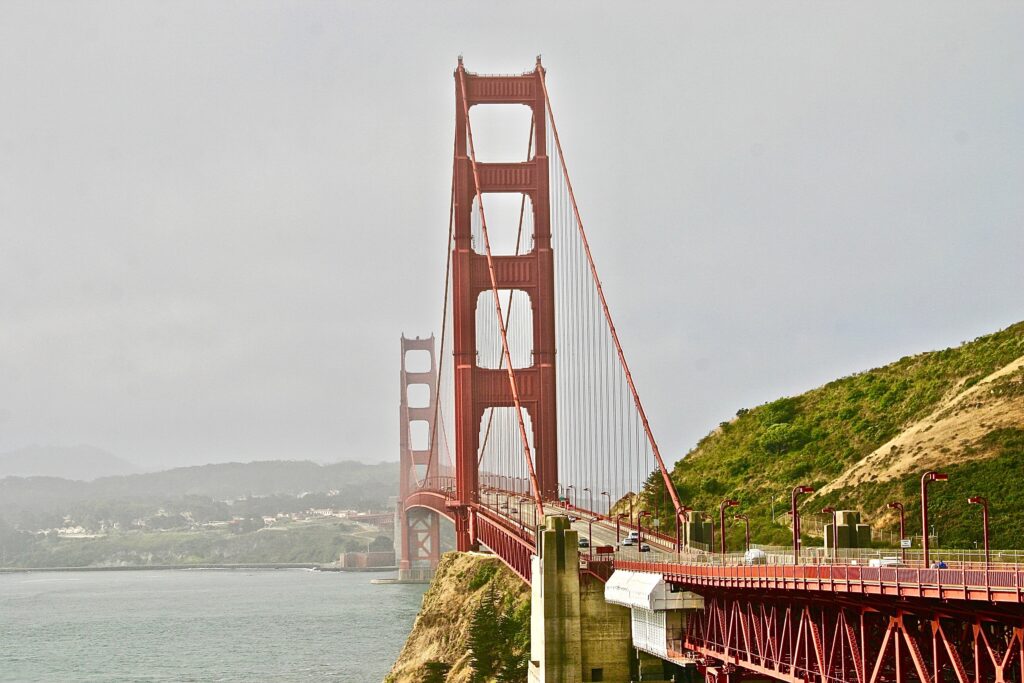
The Golden Gate Bridge is not only a marvel of engineering but also an enduring symbol of San Francisco. Spanning the Golden Gate Strait, the bridge connects the city to Marin County and is frequented by millions of visitors each year. Its significance lies not just in its breathtaking beauty but also in its role as a crucial transportation route and a cultural icon.
Historical Context
Construction of the bridge began in January 1933 and was completed in April 1937, led by chief engineer Joseph Strauss alongside architects Irving Morrow and Charles Alton Ellis. Upon its completion, it was the longest and tallest suspension bridge in the world, measuring 1.7 miles in length and 746 feet above the water. The bridge’s Art Deco design and striking International Orange color were innovative choices that have contributed to its iconic status.
Recent Developments
In recent years, the Golden Gate Bridge has undergone various preservation and enhancement projects to maintain its structural integrity and aesthetic appeal. In early 2023, the Golden Gate Bridge Highway and Transportation District announced an upgrade plan, focusing on seismic retrofitting and improvements to the visitor experience. This $64 million initiative aims to ensure safety for both pedestrians and vehicles while accommodating the increasing number of tourists drawn to its scenic views.
Tourism and Economic Impact
As one of the most photographed bridges in the world, the Golden Gate Bridge attracts around 10 million visitors each year. Tourists from all around the globe visit to walk, bike, or drive across its spans. This thriving tourism sector not only boosts San Francisco’s economy but also fosters community engagement with art and history programs hosted in the adjacent Golden Gate Bridge Welcome Center.
Conclusion
The Golden Gate Bridge remains a pivotal landmark, intertwining history, architecture, and culture. As ongoing projects aim to enhance its resilience and visitor experience, the bridge continues to symbolize innovation and beauty. Looking ahead, it will likely adapt to the growing demands of tourism while preserving its historical essence, further cementing its status as an enduring icon of American engineering.