Introduction
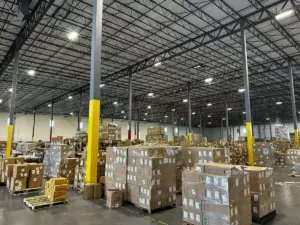
In today’s fast-paced retail environment, the term ‘now stock’ has gained prominence among businesses and consumers alike. Now stock refers to products that are available for immediate purchase and delivery, often indicating a company’s ability to meet consumer demand in real time. This topic is crucial as the rise of e-commerce and changing consumer expectations place greater pressure on retailers to manage inventory efficiently and ensure a seamless shopping experience.
Current Trends in Now Stock
Recent reports have highlighted a shift in consumer behavior, where shoppers increasingly prefer buying items that can be shipped immediately. In an online survey conducted by Statista, it was found that over 60% of consumers indicated they felt frustrated when products were out of stock. As a result, businesses are adapting their supply chains to reflect this demand for now stock. Retail giants like Amazon and Walmart have already implemented systems that prioritize the availability of now stock, ensuring that consumers do not have to wait for long lead times.
The Impact of Global Supply Chains
Global supply chain disruptions, exacerbated by the COVID-19 pandemic, have further intensified the focus on now stock. According to the World Economic Forum, many retailers have faced challenges in maintaining stock levels due to shipping delays and fluctuating demand. As companies strive to recover from these disruptions, efficient management of now stock is becoming essential. For instance, businesses are investing in advanced inventory technologies that enhance real-time tracking of stock levels, thereby increasing their ability to fulfill customer orders promptly.
Conclusion and Future Outlook
The importance of now stock in retail cannot be overstated, as it directly influences consumer satisfaction and business success. In the coming years, we can expect a continued integration of technology within inventory management systems, allowing retailers to maintain a competitive edge. As consumers grow more accustomed to the convenience of immediate purchases, businesses that excel in providing now stock will likely capture a larger share of the market. Retailers must remain agile, continually adapting to consumer expectations while managing the complexities of global supply chains to thrive in this dynamic environment.