Introduction
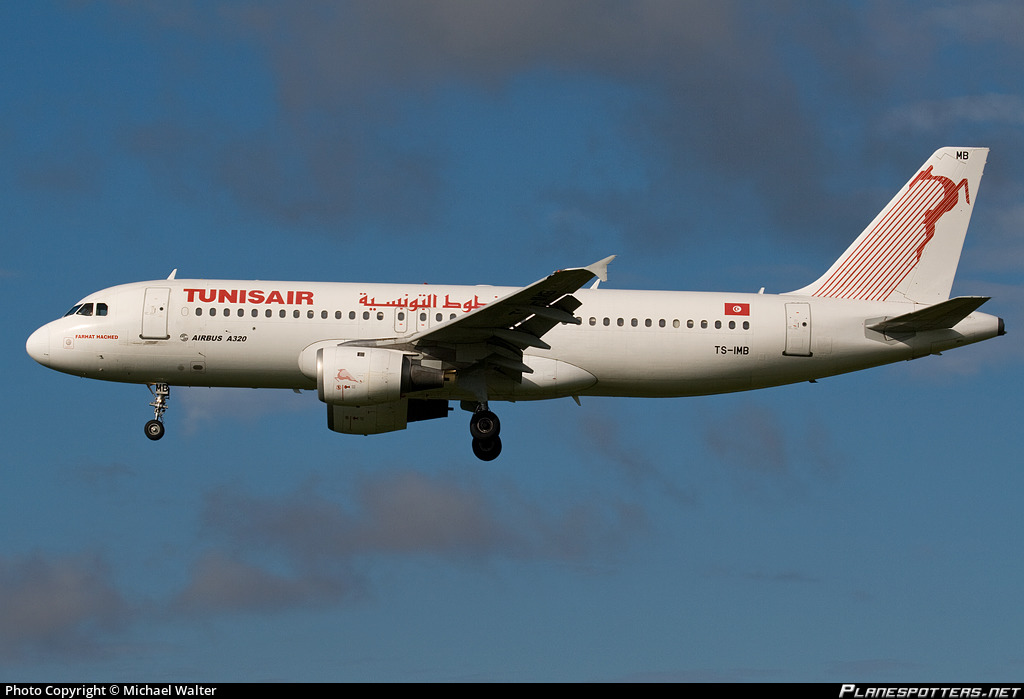
Tunisair, Tunisia’s national airline, plays a crucial role in connecting the country to the rest of the world while supporting the tourism sector. Established in 1929, the airline has experienced various highs and lows over the decades, reflecting the challenges of the global aviation landscape. This article delves into the current state of Tunisair, its ongoing efforts to remain competitive, and the importance of its operations for Tunisia’s economy.
Current Operations and Challenges
In recent years, Tunisair has faced significant hurdles, including financial difficulties exacerbated by the COVID-19 pandemic. The airline reported a loss of nearly 300 million Tunisian Dinars in 2021, prompting urgent calls for restructuring and governmental support. With travel restrictions gradually easing, Tunisair is attempting to rebound by expanding its flight routes and investing in modernizing its fleet.
In 2023, Tunisair announced new routes to various European destinations, including Paris, Frankfurt, and Brussels, tapping into the large Tunisian diaspora in these areas. Additionally, to enhance passenger experience, the airline has emphasized improving customer service and operational efficiency, which are crucial to winning back travelers and regaining their trust post-pandemic.
Strategic Partnerships and Future Plans
Tunisair is also exploring strategic partnerships with other airlines to enhance its network and offer more seamless travel options for its customers. Collaborations can significantly increase operational capacity and improve profitability in the long term. The Tunisian government is supportive of such efforts, recognizing the airlines’ importance in fostering tourism and trade.
The airline has pledged to invest in more eco-friendly practices, such as reducing emissions and enhancing fuel efficiency, in line with global aviation trends. Such initiatives may project a more sustainable image and attract environmentally-conscious travelers.
Conclusion
As Tunisair navigates the complex landscape of the aviation industry post-pandemic, its ability to adapt and innovate will determine its future viability. Continued support from the Tunisian government, strategic partnerships, and investments in modernization are essential for the airline. For travelers and the Tunisian economy, the operations of Tunisair remain significant, representing both a lifeline for connectivity and a potential driver for economic growth. As we look ahead, the resilience of Tunisair may set a precedent for how national airlines can recover and thrive in an evolving industry.